
Comprehensive Care for Respiratory Health
Overview
Respiratory health forms the foundation of life itself, governing our most fundamental biological function—breathing. In today’s world, respiratory diseases have become increasingly prevalent due to environmental pollution, lifestyle changes, stress, and allergens. From seasonal allergies to chronic conditions like asthma and COPD, respiratory disorders significantly impact quality of life and overall health.
At Edhini Ayurveda, our specialized Respiratory Diseases department offers a comprehensive, holistic approach to treating all forms of breathing disorders. We understand that respiratory health is intimately connected to digestive function, mental well-being, and overall constitutional balance. Our approach goes beyond symptom management to address root causes, strengthen immunity, and restore natural breathing patterns using time-tested Ayurvedic treatments combined with modern understanding.
Specialties

Smrithi Meditation
Smriti meditation is a guided interactive meditation therapy based on ayurvedic psychotherapy


Yoga & Naturopathy
At Edhini Ayurveda, our Yoga and Naturopathy department blends ancient Indian wisdom with holistic lifestyle practices to help you heal naturally — without side effects.

Thwacha – Cosmetology & Skin Care
Your skin reflects your inner health. At Edhini Ayurveda, we treat skin problems from the root cause, not just the surface

Diet & Nutrition
At Edhini, we embrace the ancient Ayurvedic wisdom that “food is medicine” and nutrition is the cornerstone of optimal health and wellbeing.
Respiratory Diseases
Respiratory health forms the foundation of life itself, governing our most fundamental biological function—breathing.

Gastrointestinal Disorders
Digestive health forms the cornerstone of overall well-being. At Edhini Ayurveda, Calicut, we specialize in holistic Ayurvedic management of Gastrointestinal (GI) disorders, addressing not just the symptoms but the root causes for long-term healing and balance.

ENT & Eye Care
At Edhini Calicut, we believe that true well-being stems from a harmonious balance within the body. In the heart of Kozhikode, a land deeply enriched by ancient healing traditions, we extend this philosophy to the intricate and vital senses of sight and hearing
Anorectal Care
Anorectal disorders can severely impact daily life, causing pain, discomfort, and embarrassment

Lifestyle Diseases
Modern life brings convenience — but at a cost. Sedentary habits, poor dietary choices, stress, irregular sleep, and overexposure to gadgets have led to a surge in lifestyle disorders that affect both body and mind.

Pediatrics
Children are the most precious gifts of nature, representing pure potential, boundless energy, and infinite possibilities

Psychotherapy & Counselling
Smriti meditation is a guided interactive meditation therapy based on ayurvedic psychotherapy

Allergy
Edhini provides the best and effective treatments for a wide range of neurological disorders.

Gynaecology
With a motherly approach, Edhini listens and takes care of you providing successful solutions to all your problems including Menstrual Irregularities, Painful Menstruation, PCOS, Uterine Fibroid, Ovarian Cysts, Cervicitis, Pelvic Infections, Vaginal Discharges and Obstetrics. We are also specialised in dealing with Infertility and pregnancy related ailments. We have facilities for Preconceptional Counselling and Care.

Stroke Rehabilitation
At Edhini, stroke rehabilitation is approached with a comprehensive understanding of both the wisdom of Ayurveda and contemporary rehabilitative science

Neurorehabilitation
Edhini provides the best and effective treatments for a wide range of neurological disorders.

Spine & Joint care
Today’s gadget oriented lifestyle adversely affects our joints, neck and even the spine.

Psoriasis
Edhini is a distinguished center of excellence for the specialized Ayurvedic treatment of Psoriasis.


Ayurvedic Perspective
According to Ayurvedic classical texts, respiratory health is primarily governed by the “Pranavaha Srotas” (respiratory channels) and is intimately connected with “Prana Vata,” one of the five subtypes of Vata dosha responsible for breathing, circulation, and nervous system function.
- Prana and Respiration: Ayurveda poetically describes respiration as “Prana Vata traversing from the navel region through the throat, going out to consume the nectar from the atmosphere, and returning to nourish the body.” This emphasizes the vital role of breathing in maintaining life force and cellular nourishment.
Vata Dosha Imbalances:
- Prana Vata: Governs breathing rhythm, oxygen intake, and respiratory muscle coordination
- Udana Vata: Controls expiration, speech, coughing, and upward movement of respiratory secretions When vitiated, these cause breathing difficulties, irregular respiratory patterns, and dry coughs
Kapha Dosha Imbalances:
- Avalambaka Kapha: Provides structural support to lungs and maintains healthy mucus production
- Kledaka Kapha: When aggravated in the digestive system, it overflows and affects respiratory health Excess Kapha leads to mucus accumulation, congestion, and blocked airways
Pitta Dosha Involvement:
- Causes inflammatory responses, fever, and infected secretions
- Creates burning sensations, acidic reflux affecting respiratory comfort
- Contributes to allergic reactions and hypersensitivity responses
Kasa (Cough Disorders): Five types based on dosha involvement:
- Vataja Kasa: Dry, intermittent cough with chest pain and voice loss
- Pittaja Kasa: Continuous cough with yellow/bloody sputum and fever
- Kaphaja Kasa: Productive cough with thick white mucus and nausea
- Kshataja Kasa: Traumatic cough with mixed symptoms and possible bleeding
- Kshayaja Kasa: Chronic, wasting cough associated with tissue depletion
Shvasa (Breathing Disorders): Five types of dyspnea:
- Kshudra Shvasa: Heavy breathing after exertion (physiological)
- Tamaka Shvasa: Forceful respiration (Bronchial Asthma)
- Chinna Shvasa: Interrupted breathing (terminal conditions)
- Urdhva Shvasa: Prolonged expiration with inability to inhale
- Mahan Shvasa: Severe dyspnea indicating critical condition
Peenasa (Sinusitis): Blockage of sinus cavities with purulent accumulation
Pratishyaya (Rhinitis): Nasal inflammation with discharge and congestion
Pathogenesis Understanding: Most respiratory diseases originate in the digestive system (Annavaha Srotas) where doshas accumulate and become aggravated. Poor digestion creates “Ama” (toxins) which, combined with vitiated doshas, circulates and relocates to the respiratory system, causing various disorders.
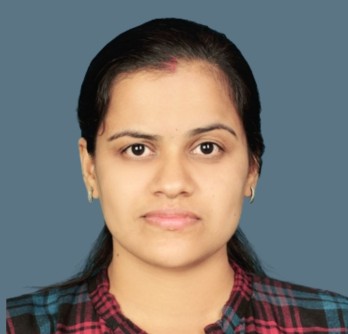
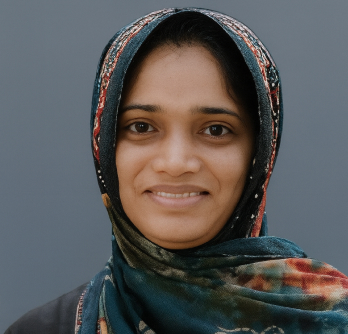
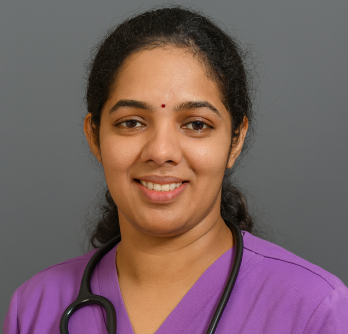
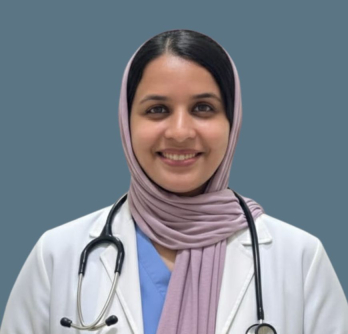
Doctors




Symptoms / Conditions Treated
- Bronchial Asthma (Tamaka Shvasa): Recurrent episodes of breathlessness, wheezing, chest tightness
- Chronic Obstructive Pulmonary Disease (COPD): Progressive airway limitation and breathing difficulties
- Chronic Bronchitis: Persistent cough with mucus production for extended periods
- Emphysema: Lung tissue damage causing shortness of breath and reduced oxygen exchange
- Interstitial Lung Disease: Scarring of lung tissue affecting breathing capacity
- Upper Respiratory Tract Infections: Common cold, sinusitis, pharyngitis, laryngitis
- Lower Respiratory Tract Infections: Acute bronchitis, pneumonia, chest infections
- Recurrent Respiratory Infections: Frequent episodes indicating compromised immunity
- Post-viral Respiratory Complications: Lingering symptoms after viral infections
- Seasonal Respiratory Infections: Weather-related breathing problems
- Allergic Asthma: Triggered by environmental allergens, dust, pollen, foods
- Allergic Rhinitis (Hay Fever): Seasonal or perennial nasal allergies
- Chronic Sinusitis: Persistent sinus inflammation and congestion
- Hypersensitivity Pneumonitis: Lung inflammation due to allergen exposure
- Occupational Lung Diseases: Work-related respiratory conditions
- Deviated Nasal Septum: Breathing difficulties due to nasal structural abnormalities
- Nasal Polyps: Benign growths causing nasal obstruction
- Sleep Apnea: Breathing interruptions during sleep
- Chronic Cough: Persistent cough without identifiable cause
- Voice Disorders: Hoarseness, vocal cord problems affecting speech
- Smoker’s Cough: Chronic productive cough in tobacco users
- Tobacco-Induced Asthma: Breathing difficulties from smoking or secondhand smoke
- Post-Smoking Recovery: Supporting lung healing after smoking cessation
- Passive Smoking Effects: Respiratory problems from environmental tobacco smoke
- Anxiety-Induced Breathing Difficulties: Hyperventilation, panic-related breathlessness
- Stress-Related Asthma: Emotional triggers causing respiratory symptoms
- Urban Pollution Effects: Breathing problems from air quality issues
- Digital Device-Related Issues: Poor posture affecting breathing patterns
- Childhood Asthma: Early-onset breathing difficulties in children
- Recurrent Childhood Infections: Frequent respiratory illnesses indicating weak immunity
- Adenoid and Tonsil Problems: Enlarged tissues affecting breathing and sleep
- Exercise-Induced Asthma: Breathing difficulties triggered by physical activity
- Monsoon-Related Respiratory Issues: Humidity and mold-triggered problems
- Winter Respiratory Complications: Cold weather-induced breathing difficulties
- High Altitude Breathing Problems: Adjustment issues at elevated locations
- Air Conditioning-Related Issues: Dry air and temperature-related respiratory discomfort
Treatment / Therapies
Nasya (Nasal Therapy):
- Pradhamana Nasya: Dry powder insufflation for chronic sinusitis and nasal polyps
- Avapida Nasya: Fresh herb juice instillation for acute infections
- Dhuma Nasya: Medicated smoke therapy for respiratory cleansing
- Pratimarsha Nasya: Daily oil drops for maintenance and prevention Uses specialized formulations like Anu Taila, Shadbindu Taila, and Panchendriya Vardhan oil
Vamana (Therapeutic Emesis):
- Primary treatment for Kapha-dominant respiratory conditions
- Eliminates excess mucus from stomach and respiratory tract
- Particularly effective for chronic asthma, bronchitis, and allergic conditions
- Uses gentle emetics like Madanaphala, Vacha, and Pippali
Virechana (Therapeutic Purgation):
- Cleanses Pitta-related respiratory inflammation and infections
- Effective for allergic asthma, sinusitis with fever, and respiratory acidosis
- Uses herbs like Trivrit, Aragvadha, and Haritaki
Basti (Medicated Enemas):
- Anuvasana Basti: Oil enemas for Vata-type dry cough and breathing difficulties
- Niruha Basti: Decoction enemas for comprehensive detoxification
- Particularly beneficial for chronic conditions and immune modulation
Udvartana (Medicated Powder Massage):
- Dry powder massage to reduce Kapha congestion
- Improves circulation and opens respiratory channels
- Uses warming herbs like Trikatu, Devadaru, and Haridra
Steam Therapies (Swedana):
- Bashpa Sveda: Whole-body steam with respiratory herbs
- Patra Pinda Sveda: Herbal bolus massage with decongestant herbs
- Akshi Sveda: Localized steam for sinus congestion Uses herbs like Eucalyptus, Pudina (Mint), Tulsi, and Vasa
Chest and Back Therapies:
- Ura Basti: Oil pooling on chest for chronic cough and bronchitis
- Pristha Basti: Back oil therapy for respiratory muscle tension
- Hridaya Basti: Heart region oil therapy for anxiety-related breathing issues
- Shirodhara: Continuous oil pouring for stress-related respiratory conditions
- Shirobasti: Oil pooling on head for chronic sinusitis and allergies
- Karnapurana: Ear oil therapy for ENT-related respiratory issues
Classical Respiratory Formulations:
- Sitopaladi Churna: Primary remedy for cough, cold, and respiratory infections
- Talisadi Churna: Excellent for chronic cough, asthma, and bronchitis
- Vasarishta: Powerful bronchodilator and expectorant
- Kanakasava: Gold-based preparation for chronic respiratory conditions
- Agastya Haritaki: Comprehensive respiratory rasayana
Condition-Specific Medicines:
- For Asthma: Shvasari Ras, Shringyadi Churna, Mahalaxmivilas Ras
- For Chronic Cough: Khadiradi Vati, Lavangadi Vati, Kantakari Ghrita
- For Sinusitis: Chitrakadi Vati, Vyoshadi Vati, Panchakolasava
- For Allergies: Haridra Khand, Mahamanjishthadi Qwath, Raktashodhak compounds
Herbal Combinations:
- Trikatu (Three Pungents): Shunthi, Maricha, Pippali for digestive fire and mucus reduction
- Chaturushana: Four hot herbs for severe Kapha conditions
- Panchkola: Five pungent herbs for chronic respiratory disorders
- Dashamoola: Ten roots for Vata-related breathing difficulties
Respiratory Rasayanas:
- Chyawanprash: Supreme respiratory immunity builder
- Brahma Rasayana: Comprehensive rejuvenation with respiratory benefits
- Agastya Rasayana: Specific for chronic respiratory weakness
- Vardhamana Pippali: Progressive long pepper therapy for asthma prevention
Therapeutic Breathing Techniques:
- Anuloma Viloma: Alternate nostril breathing for respiratory balance
- Bhastrika: Bellows breath for lung capacity and energy
- Ujjayi: Victory breath for calming respiratory anxiety
- Kapalabhati: Skull-shining breath for respiratory cleansing
Asana Practice:
- Matsyasana: Fish pose for chest opening and lung expansion
- Bhujangasana: Cobra pose for respiratory muscle strengthening
- Setu Bandhasana: Bridge pose for chest and throat health
- Pranayama Mudras: Hand positions enhancing breathing practices
Respiratory-Supportive Diet:
- Vata-Pacifying Foods: Warm, moist, and easily digestible foods for dry conditions
- Kapha-Reducing Diet: Light, warm, pungent foods to reduce mucus production
- Pitta-Balancing Foods: Cooling, non-spicy foods for inflammatory conditions
- Specific Food Medicines: Honey with spices, herbal teas, warming soups
Environmental Modifications:
- Air purification recommendations and indoor plant suggestions
- Humidity control and bedroom environment optimization
- Exercise guidelines for different respiratory conditions
- Stress management and sleep hygiene protocols
Reclaim your comfort and breathe freely. Discover the power of Ayurvedic healing at Edhini. Contact us today to schedule your consultation.
Benefits / Outcomes
Immediate Relief (2-4 weeks):
- Significant reduction in breathing difficulty and chest tightness
- Decreased frequency and severity of coughing episodes
- Improved sleep quality with reduced nighttime respiratory symptoms
- Enhanced energy levels and reduced fatigue from better oxygenation
Short-term Improvements (1-3 months):
- 60-70% reduction in acute respiratory infection frequency
- Improved lung function tests and breathing capacity measurements
- Reduced dependency on bronchodilator medications and inhalers
- Better exercise tolerance and physical activity endurance
Long-term Benefits (6-12 months):
- Complete remission or significant control of chronic asthma in 70-80% of patients
- Strengthened respiratory immunity with fewer seasonal allergies
- Improved quality of life scores and daily functioning capacity
- Reduced need for emergency medical interventions and hospitalizations
Systemic Health Improvements:
- Enhanced digestive function and appetite regulation
- Better stress tolerance and emotional stability
- Improved cardiovascular health from optimal oxygenation
- Strengthened overall immunity and disease resistance
Preventive Health Benefits:
- Reduced risk of respiratory infections and complications
- Prevention of chronic respiratory disease progression
- Enhanced lung aging protection and maintained respiratory function
- Improved adaptation to environmental stressors and allergens
Mental and Emotional Wellness:
- Reduced anxiety and panic associated with breathing difficulties
- Improved concentration and mental clarity from better oxygenation
- Enhanced confidence in physical activities and social interactions
- Better sleep patterns and overall life satisfaction
What our Patients Are Saying
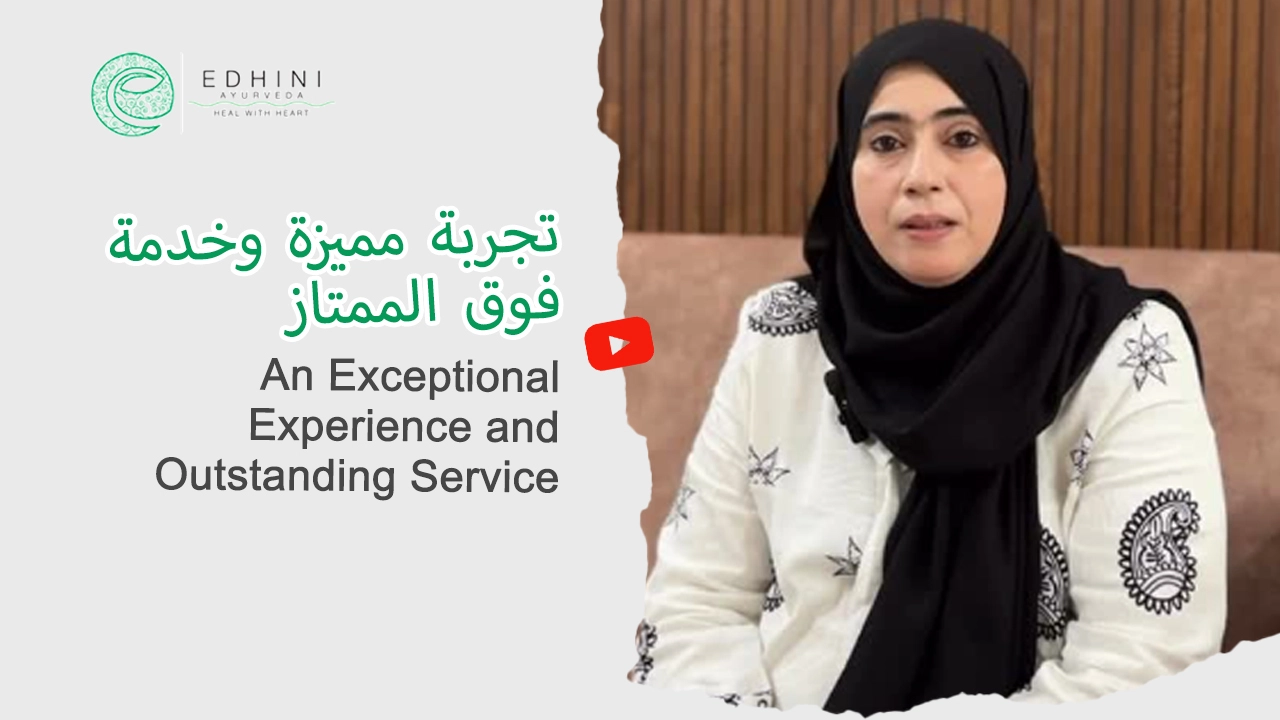
تجربة مميزة وخدمة فوق الممتاز السلام عليكم ورحمة الله وبركاته الحمد لله، أحببت أن أتحدث عن معاملتهم في هذا المصح. بصراحة، معاملتهم ممتازة جداً؛ سواء في التذليل أو في التمارين، وحتى في خدمات التنظيف والطعام — ما شاء الله فوق الممتاز. أشكرهم على الخدمة الرائعة التي قدموها لنا والسلام عليكم […]
പ്രസവാനന്തര പരിചരണം : ബബിതക്ക് പറയാനുള്ളത് കേൾക്കാം എന്റെ പേര് ബബിത. ഞാൻ ഇവിടെ എതിനി ആയുർവേദിയിൽ 14 ദിവസത്തെ ഫുൾ നാചുറൽ പോസ്റ്റ്നേറ്റൽ പാക്കേജ് എടുത്തിട്ടുണ്ട്. ഞാൻ ഇത് ശരിക്കും എൻജോയ് ചെയ്തു. ഇവിടെ ഉള്ള ബോഡി മസാജ്, ഓയിൽ തേച്ചുള്ള ചികിത്സകൾ, ബോഡി സ്ക്രബ്, കിഴി, ഞവര — ഇതെല്ലാം ഞങ്ങൾക്ക് വളരെ ഇഷ്ടമായി, വളരെ ഹാപ്പിയായി. പ്രത്യേകിച്ച് ബേബിയെ മസാജ് ചെയ്ത് ഡെയിലി കുളിപ്പിക്കുന്നതും എല്ലാം […]
An Omani Patient Shares His Healing Journey at Edhini Ayurveda Hospital One of the best decisions I ever made was seeking treatment at Edhini Ayurveda Hospital. The care and attention I received were exceptional. The doctors were highly knowledgeable and genuinely compassionate, and the treatment plan they designed helped me […]